


As part of SF Climate Week, a standout conversation brought together innovators, entrepreneurs, and ocean advocates to tackle one of the most visible—and complex—environmental challenges of our time: plastic pollution.
“From Ocean to Action: Explorations and Solutions for Ocean Plastic”, co-organized by the French-American Chamber of Commerce of California Sustainability Committee and Capgemini’s Applied Innovation Exchange, went beyond raising awareness. It offered a compelling mix of field experience, technological innovation, and pragmatic solutions to the ocean plastic pollution crisis.
A Global Problem, Seen Up Close
The keynote by Fabien Lamaison of Plastic Odyssey set the tone: this is a crisis best understood not only through data, but through direct observation in the field.
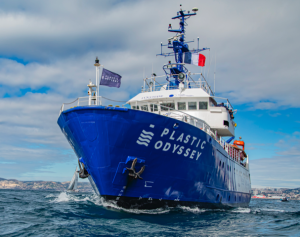 After a four-year global expedition across 35 countries and 45 stopovers, Plastic Odyssey’s team witnessed firsthand how deeply plastic pollution has penetrated even the most remote ecosystems.
On Henderson Island—one of the most isolated places on Earth—plastic waste accumulates in staggering quantities despite the absence of any human population. This paradox illustrates the truly planetary nature of the crisis.
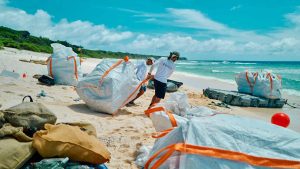 Filmmaker Ricky Rhodes, who documented the expedition, described arriving on such a remote island as both breathtaking and deeply unsettling. What first appeared as a pristine, untouched ecosystem gradually revealed traces of global consumption: a Japanese whiskey bottle, a flip-flop from Mexico, packaging from China—remnants of human activity carried across oceans to places where no humans live. This powerful contrast between natural beauty and pollution underscores the urgency of the issue and the importance of visual storytelling in making it tangible for the public.
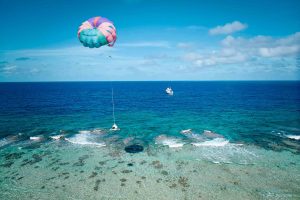 In what they described as an “Impossible Cleanup,” the team succeeded in removing 9 tons (9,000 kg) of plastic from Henderson Island—an unprecedented feat given its extreme isolation and fragile ecosystem. To extract the waste without crossing the reef, they devised an innovative system: using a parasail powered by a motorcycle engine mounted on their vessel, they were able to lift and transport the plastic safely over the reef barrier—demonstrating how ingenuity can overcome even the most extreme logistical challenges.
The Scale of the Crisis
Beyond the striking imagery, the numbers are alarming. Every minute, an estimated 20 tons of plastic waste enters the ocean, and if current trends continue, this figure could triple within the next 25 years. Only a fraction of ocean plastic remains visible at the surface—most of it breaks down into microplastics or sinks into deep-sea ecosystems, making it nearly impossible to recover.
“If we do nothing, in 2050, there will be more plastic than fish in the Ocean”, warns Plastic Odyssey.
The real challenge, as Fabien Lamaison emphasized, is to intercept plastic waste before it ever reaches the sea. This is precisely the mission of Plastic Odyssey—collecting plastic from heavily polluted coastal regions around the world to prevent it from reaching the ocean.
Beyond its sheer scale, ocean plastic pollution is already having tangible consequences on ecosystems and biodiversity. As Fabien Lamaison explained, plastics do not only accumulate—they actively disrupt natural balances. Microplastics can alter environmental conditions, such as sand temperature in nesting areas, with cascading effects on species like sea turtles, accelerating biodiversity loss in already fragile environments.
From Cleanup to Systemic Solutions
Rather than focusing solely on cleanup, Plastic Odyssey has developed a holistic approach that combines reduction, transformation, and restoration. Throughout its journey, the organization has identified over 200 local solutions, supported entrepreneurs, and deployed small-scale recycling units adapted to local contexts.
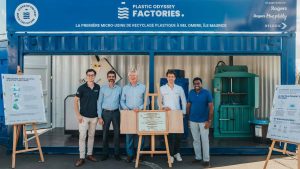 These micro-factories, often housed in shipping containers, enable communities to transform plastic waste into valuable products, creating sustainable economic opportunities while addressing environmental challenges.
This model reflects a broader philosophy: lasting impact requires viable economic systems. By turning waste into a resource and empowering local actors, Plastic Odyssey creates solutions that can scale and endure.
Ecosystem and biodiversity restoration
Looking forward, Plastic Odyssey is entering a new phase through a partnership with UNESCO, focusing on the cleanup and restoration of protected marine biodiversity sites around the world. These ecosystems, which represent a small fraction of the ocean’s surface yet host a disproportionate share of marine life, are increasingly threatened by plastic pollution.
This next chapter will combine cleanup operations with scientific research and ecosystem restoration, supported by a new generation vessel designed to operate in remote and sensitive environments.
Scaling Alternatives to Plastic
“From Ocean to Action” conversation then shifted toward material innovation, with entrepreneurs working to rethink plastic at its source.
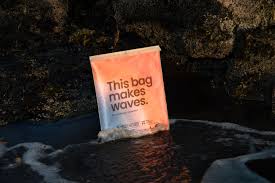 Julia Marsh, co-founder of Sway, presented seaweed-based packaging—used for products like garment bags, retail packaging, and food wrappers—designed to replace traditional plastics while remaining compatible with existing industrial systems. More specifically, their materials (like TPSea™ and TPSea Flex™) are turned into thin films and bags that look and perform like plastic, but are home-compostable and designed to break down without leaving microplastics.
Molly Morse, co-founder of Mango Materials, explained how captured methane emissions—from sources like landfills and wastewater treatment plants—can be fed to naturally occurring microbes that convert the gas into biodegradable polymers (PHA), effectively transforming a potent greenhouse gas into materials used for products like fibers, packaging, and everyday plastics that safely break down at the end of their life.
Ryan Starling from frog design—a global design and innovation consultancy known for shaping iconic products from early Apple computers to today’s digital experiences—highlighted the complexity of designing sustainable products, where environmental performance must be balanced with durability, cost, and user experience, emphasizing that even the most sustainable solutions must meet real-world expectations and integrate seamlessly into existing systems to achieve scale.
Together, these perspectives made it clear that there is no single solution to the plastic crisis. Progress depends on a combination of technological innovation, industrial adaptation, and behavioral change.
The Scale Challenge
Despite promising advances, significant barriers remain. Traditional plastics benefit from decades of optimization, massive infrastructure, and low production costs, making it difficult for new materials to compete at scale. At the same time, confusion around recyclability, biodegradability, and compostability complicates adoption, even among well-informed stakeholders.
Policy frameworks can also lag behind innovation. In some cases, regulations designed to support waste management systems inadvertently slow the adoption of new materials, highlighting the need for more nuanced and coordinated approaches.
Beyond Technology: Behavior and Policy
The discussion also emphasized that plastic pollution is not only a technical or waste management issue, but a reflection of consumption patterns. In the United States, per capita plastic use far exceeds that of many other regions, pointing to the need for changes in behavior alongside technological solutions.
At the same time, responsibility must be shared across consumers, corporations, and governments. Meaningful progress will require aligned incentives, stronger regulation, and sustained pressure from civil society to shift production and consumption systems.
From Awareness to Action
“From Ocean to Action” delivered a clear message: while the scale of the plastic crisis can feel overwhelming, solutions are emerging across multiple fronts. From grassroots entrepreneurship to advanced materials and global expeditions, a growing ecosystem of actors is working to turn awareness into impact.


