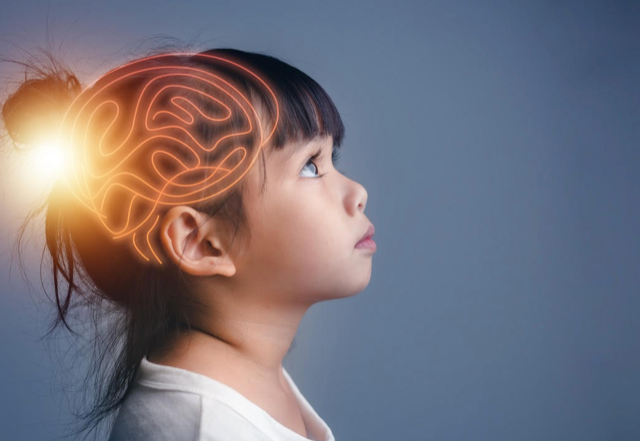
Artificial Intelligence (AI) is evolving at an unprecedented pace, reshaping how we interact with technology and navigate our daily lives. While it offers vast opportunities, it also presents significant risks—especially for children and young adults.
This is the driving force behind everyone.AI, a Bay Area nonprofit dedicated to preventing risks and regulating the use of AI for younger audiences.
Fresh from the AI Action Summit in Paris, the organization shared key insights into its initiatives and latest efforts to protect children in an AI-driven world.
Working at the intersection of AI and child development
Founded in California by a team of Franco-Belgian experts, everyone.AI brings together leading voices in artificial intelligence and neuroscience. Among them are Grégory Renard, an AI specialist with over 25 years of experience; Mathilde Cerioli, a PhD in Neuroscience; Céline Malvoisin, Director of Education; and Anne-Sophie Seret, the nonprofit’s Executive Director. Today, the organization has grown to include more than 25 volunteers across Silicon Valley, France, and Switzerland.
Their shared goal: to anticipate AI’s impact on children and ensure that companies and institutions prioritize child safety from the start when designing AI-driven products.
Everyone.AI takes a unique approach, focusing on the intersection of AI and child development by combining expertise in both technology and cognitive science.
“We’ve seen that many AI-powered educational tools are created without a deep understanding of how children learn and grow,” explains Mathilde Cerioli.
To bridge this gap, everyone.AI provides guidance to developers and advocates for stronger awareness among policymakers and educators—hosting webinars, conferences, and discussions to highlight potential risks and promote responsible AI development.
Identifying and Anticipating AI Dangers for Children
Everyone.AI offers a balanced view of the impact of AI on children, recognizing some of the benefits of AI in education—such as the early detection of neurodevelopmental disorders and personalized learning experiences. However, the organization’s research also highlights significant risks tied to children’s use of AI. Among the most concerning are:
- Potential hindrance to social and emotional development: Excessive interaction with AI could interfere with the development of essential skills like empathy and emotional regulation.
- Cognitive development setbacks: AI tools developed without a deep understanding of educational psychology may offer subpar learning experiences, depriving children of vital developmental opportunities.
- Distorted perception of reality: Immersive virtual experiences could blur the line between the real world and the digital realm, potentially confusing young minds.
- Behavioral manipulation: Poorly designed AI systems might unintentionally encourage harmful or inappropriate behaviors.
Anne-Sophie Seret points to one troubling example: “We came across a startup proposing podcasts with deepfake parental voices to comfort children in their parents’ absence. This raises serious concerns about attachment and security.”
Everyone.AI stresses that children experience critical learning windows when their brains are especially sensitive to certain types of stimulation. For instance, from birth to age 6, children are particularly primed for language acquisition, and between ages 12 and 14, social skills development is at its peak. If AI tools are poorly designed, they may miss the mark in providing the necessary, enriching interactions that are crucial during these formative stages.
To address these concerns, educating parents and teachers is key. Through webinars and school conferences, everyone.AI is working to ensure that decision-makers are informed and equipped to make responsible choices regarding AI and digital technology.
Taking a Proactive Approach to Inadequate AI Regulations
While regulations like COPPA (Children’s Online Privacy Protection Act) in the U.S. and GDPR in Europe provide some oversight, they fall short in addressing the full scope of challenges posed by AI. These frameworks primarily focus on data privacy but don’t fully account for the cognitive and social impacts AI can have on younger users.
This gap is why everyone.AI has adopted a more proactive approach, working directly with companies to develop ethical, actionable guidelines. In discussions with OpenAI, the organization received a direct message: “Don’t just give us a list of prohibitions; tell us how to improve our models.” This constructive approach encourages tech companies to integrate protections into their products from the outset.
Building an International Coalition for Safer AI
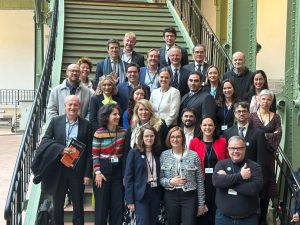 At the AI Action Summit in Paris last February, everyone.AI, in partnership with the Paris Peace Forum, launched an international coalition supported by UNICEF and UNESCO. The coalition includes 11 governments (including France, Norway, and Denmark), experts, companies like Google, OpenAI, Anthropic, Hugging Face, Vivendi, and Plug and Play, as well as more than 20 NGOs all committed to ensuring AI benefits children.
The initiative aims to establish common guidelines among industry leaders, governments, and experts for AI products designed for children. These recommendations could ultimately influence future regulations. The coalition also seeks to promote long-term research on the effects of AI development and improve digital literacy among policymakers, parents, educators, and young users.
Looking Ahead
One of everyone.AI’s key priorities is to invest in research exploring how teenagers interact with AI agents, a growing concern. “We’ve already seen cases of teenagers being exposed to harmful AI interactions. We can’t wait for this issue to escalate before taking action,” says Anne-Sophie Seret.
The organization also plans to leverage its international coalition to support and amplify initiatives that promote ethical and safe AI for children. The coalition will play a critical role in advocating for and strengthening legislative proposals related to AI regulations. It will also work to raise awareness among tech companies, startups, and governments, relying on NGO engagement to speed up the adoption of best practices.
Additionally, everyone.AI has developed The Human and Artificial Intelligences Fresk, a collective intelligence workshop inspired by the Climate Fresk. Aimed at schools, universities, and businesses, this interactive tool helps explore AI’s challenges and its effects on human development. It encourages collective reflection and a deeper understanding of the opportunities and risks of AI, helping foster a more informed and responsible approach to its use.
A Call to Action
Everyone.AI is sounding the alarm: “if no action is taken within the next five years, major corporations will have already invested billions into technologies that will be nearly impossible to regulate later“. The urgent task is to establish ethical design standards now and raise awareness among parents, educators, and policymakers about the risks AI poses to younger generations.
The next major milestone will take place on October 29 at the annual Paris Peace Forum summit. This will be an opportunity to showcase the first companies adopting everyone.AI and the International Coalition’s recommendations and continue mobilizing the international community around this critical issue.
As everyone.AI reminds us, we can’t afford to wait until children are already impacted—action must begin now.
If this cause matters to you, consider showing your support by signing this open letter, already endorsed by prominent figures in artificial intelligence, cognitive sciences, and public policy, to help amplify their message.

From Corporate to Croissant, The Success Story of Benoit Vialle

Exhibition: All Roads Lead @836M

La Bauloise: Authentic French Crêpes in San Francisco

French & Francophone Cinema from Cannes to Mill Valley Film Festival 48

Run Bay to Breakers with the Frenchies